
 EN
EN
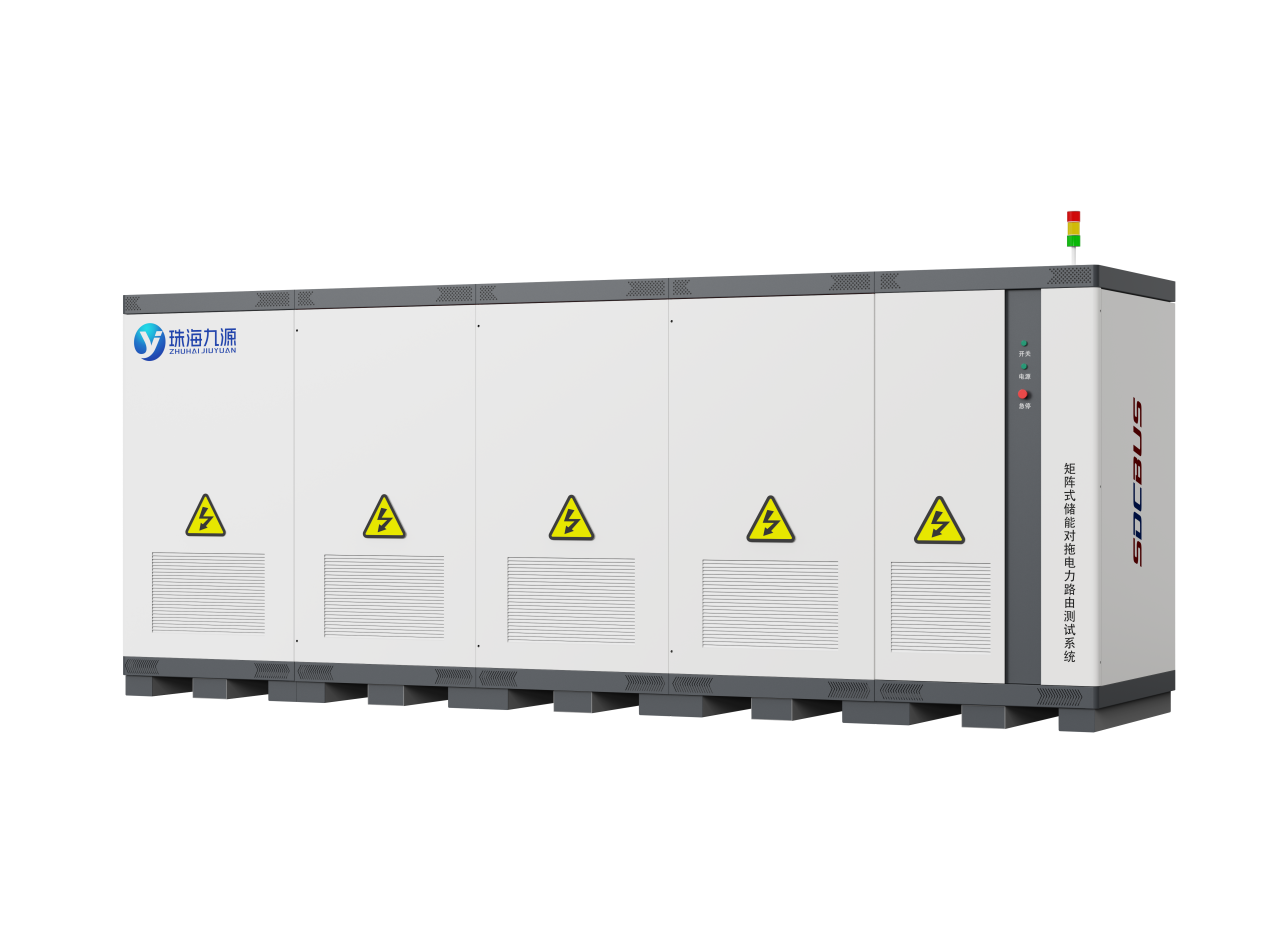
The accelerating global transition toward high-capacity renewable grids has elevated the technical importance of power electronics. At the center of this transformation is the battery energy storage power conversion system (commonly known as PCS), a bidirectional hardware architecture responsible for managing the bidirectional flow of energy between battery PACKs and the electrical grid. For industrial utility-scale projects and high-voltage R&D verification, implementing an advanced power conversion system determines both the economic viability and operational safety of the entire energy storage asset.
The Core Operational Principles of Advanced Bidirectional Conversion
A modern battery energy storage power conversion system operates as a critical, high-efficiency gateway. During periods of surplus generation—such as peak solar or wind production—the PCS acts as a high-power rectifier, converting alternating current (AC) from the grid into highly stabilized direct current (DC) to charge the battery modules. Conversely, during peak demand or grid frequency drops, the system seamlessly transitions into a high-performance inverter, converting DC back into grid-compliant AC power.
For engineering teams evaluating large-scale energy storage deployments, the performance of the power conversion sub-system dictates overall round-trip efficiency (RTE). Utilizing cutting-edge wide-bandgap semiconductors, such as Silicon Carbide (SiC) switching topologies, allows these systems to complete instantaneous mode transitions. This rapid response is essential for executing dynamic frequency regulation and critical peak-shaving applications without causing transient instability.
Achieving High-Precision Electrical Control and Characterization
In high-voltage battery integration and microgrid architectures, the precision of the conversion equipment directly impacts the lifespan of the chemical storage cells. Minor voltage ripples or uncontrolled current spikes from an inferior conversion system can accelerate capacity degradation and compromise the battery management system (BMS) logic.
To maintain perfect operational synchronization, industrial-grade battery energy storage power conversion system architectures are engineered to deliver premium control tolerances. Leading implementations achieve an active voltage and current accuracy within ±0.05% (five-ten-thousandths) with a fine programming resolution of 1mV/0.1mA. This exceptional level of resolution guarantees that during constant-current (CC) or constant-voltage (CV) charging profiles, the energy delivered to the battery PACK is clean, predictable, and fully compliant with international safety standards.
Ensuring Seamless Grid Adaptability and Pre-Compliance
One of the most complex engineering hurdles for energy storage developers is ensuring that a high-power conversion system can withstand severe grid anomalies. Real-world utility grids are prone to sudden voltage sags, short-circuit faults, and frequency drift, which can trip standard commercial inverters and cause localized blackouts.
Advanced PCS units must undergo exhaustive grid adaptability validation before final commercial deployment. By linking the conversion architecture to high-power grid simulation equipment, engineers can safely subject the PCS to extreme low-voltage ride-through (LVRT) and high-voltage ride-through (HVRT) scenarios. Simulating these boundary conditions within a controlled laboratory setup allows developers to optimize firmware algorithms, ensuring the system can support grid stability during dynamic disturbances without risking physical hardware damage.
Industrial Communication Protocols for Multi-Device Integration
Utility-scale energy storage facilities consist of hundreds of synchronized subsystems, requiring highly robust and noise-immune data communication networks. Relying on consumer-level interfaces such as USB is completely unacceptable in high-power environments due to severe electromagnetic interference (EMI) generated by switching megawatt-level circuits.
To guarantee uninterrupted real-time telemetry, advanced power conversion systems utilize multi-channel industrial communication networks. Integrating hardware controls over a resilient CAN (Controller Area Network) and high-speed Daisy Chain configuration enables millisecond-level synchronization between the PCS, the central energy management system (EMS), and the battery management system (BMS). Furthermore, native compatibility with RS485, RS232, and Modbus industrial fieldbuses provides a secure, transparent data path, eliminating the risk of data packet loss or critical command latency during emergency shutdown procedures.
Technical Specialization and Equipment Application Boundaries
To optimize performance and maintain maximum reliability, it is vital to distinguish heavy-duty power conversion hardware from standard consumer electronics or general power supplies.
Our technical solutions are engineered strictly for high-voltage, utility-scale Energy Storage Systems (ESS), renewable microgrid integration, and multi-channel battery PACK performance validation. By designing our hardware exclusively around these high-power energy sectors, we intentionally separate our system architecture from consumer-level UPS platforms, industrial factory automation lines, individual battery cell testing (cell testing), or general laboratory precision calibration instruments. This clear specialization ensures that the thermal management, safety spacing, and over-current protection parameters of our systems are perfectly tailored to handle the intense electrical stresses of megawatt-class battery installations.
Conclusion: Optimizing the ROI of Energy Storage Assets
Investing in a high-precision, industrially certified battery energy storage power conversion system represents a strategic commitment to system longevity and grid compliance. By delivering near-perfect conversion efficiency, exceptional ±0.05% tracking precision, and field-proven communication robustness, these advanced platforms empower developers to accelerate integration timelines while meeting the most stringent international grid codes.
For global enterprises seeking to maximize the performance of their renewable infrastructure, partnering with an experienced hardware manufacturer who deeply understands the interplay between power electronics and electrochemical storage ensures access to reliable, field-tested technology backed by world-class technical engineering support.
Table of Contents
- The Core Operational Principles of Advanced Bidirectional Conversion
- Achieving High-Precision Electrical Control and Characterization
- Ensuring Seamless Grid Adaptability and Pre-Compliance
- Industrial Communication Protocols for Multi-Device Integration
- Technical Specialization and Equipment Application Boundaries
- Conclusion: Optimizing the ROI of Energy Storage Assets