
 EN
EN
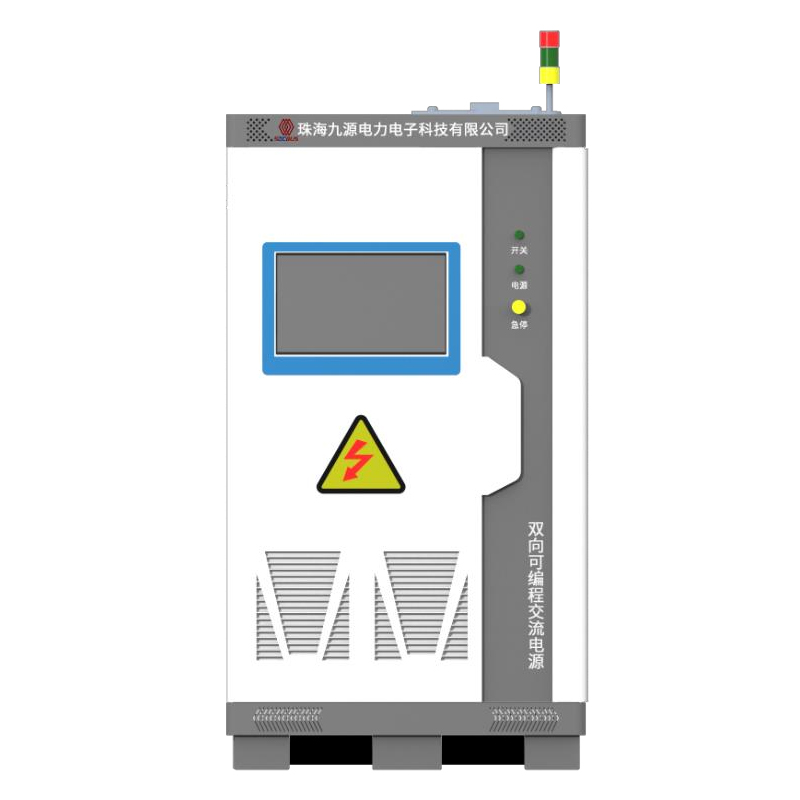
Introduction: Beyond a Simple Power Outlet
When we think of a power supply, we often picture a simple adapter or a fixed-voltage source. However, in the demanding world of testing and validation, a standard power source is rarely sufficient. This is where programmable power comes into play. Programmable power refers to advanced power sources or loads whose key output parameters—such as voltage, current, and power—can be precisely controlled and dynamically adjusted via digital interfaces according to pre-set sequences or algorithms. It acts not just as a power provider but as a sophisticated instrument for simulating complex, real-world power conditions and stress scenarios in a controlled laboratory environment. For companies like ours, specializing in high-performance test solutions, programmable power is the cornerstone for validating the performance, reliability, and safety of electronic components and systems.
The Core Advantage: Precision, Control, and Flexibility
The defining characteristic of a programmable power system is its unparalleled precision and control. Unlike basic power supplies, these systems allow engineers to create intricate voltage and current profiles—ramping up, stepping down, or simulating transients like surges and drops—with high accuracy and repeatability. This capability is crucial for stress testing, where a device under test (DUT) must be subjected to both normal and extreme operating conditions. Furthermore, modern programmable power solutions offer exceptional flexibility through various communication protocols such as enabling seamless integration into automated test stands and facilitating daisy-chaining for multi-channel applications. This programmability transforms a static power source into a dynamic test asset.
Key Applications in Modern Testing Environments
Our expertise lies in applying programmable power technology to specialized testing fields, not in manufacturing power supplies or supporting industrial automation. Its primary value is realized in R&D laboratories, quality assurance departments, and validation centers. Key application areas include:
Battery and Battery-Powered Device Testing: Simulating diverse charge/discharge cycles, state-of-health diagnostics, and testing battery management systems (BMS) under realistic conditions.
- Component and Module Stress Testing: Evaluating the limits of components like capacitors, DC-DC converters, and protective circuits by applying precise power sequences and fault simulations.
- Power Supply Unit (PSU) and Adapter Validation: Testing the input/output characteristics, efficiency, and dynamic response of external power adapters and internal PSUs.
- Automotive Electronics Testing: Reproducing the complex electrical environment of a vehicle, including load dump, cranking profiles, and steady-state operation, for testing ECUs, sensors, and infotainment systems.
- Research and Development: Providing a stable yet variable power platform for prototyping new circuits and verifying design specifications.
Choosing the Right Programmable Power Solution: An Expert Perspective
Selecting the appropriate programmable power equipment is critical for achieving reliable test results. Based on our extensive experience in designing test systems, here are key factors to consider:
- Power Range and Accuracy: Match the voltage/current/power range to your DUT's requirements, prioritizing measurement accuracy for valid data.
- Dynamic Response and Programming Speed: For tests involving fast transients, the unit's slew rate and command processing speed are vital.
- Communication and Integration Capabilities: Ensure the device supports industry-standard interfaces, to fit your test rack architecture.
- Safety and Protection Features: Robust protections (OVP, OCP, OTP, etc.) are non-negotiable to safeguard both the tester and the expensive DUT.
- Software and Support: User-friendly control software and robust technical support significantly streamline test development and troubleshooting.
As noted in industry whitepapers from organizations like IEEE, the trend is towards smarter, software-defined test power that integrates seamlessly with data acquisition systems, forming a core part of the modern digital test bench.
Conclusion: The Indispensable Tool for Validation
In summary, programmable power is far more than an advanced power supply. It is a fundamental, versatile tool for modern electronic testing and validation. It empowers engineers to de-risk designs, ensure compliance with specifications, and accelerate time-to-market by providing a controlled, repeatable, and sophisticated means to apply electrical stress. For businesses focused on performance verification across sectors like consumer electronics, automotive subsystems, and energy storage, investing in the right programmable power technology is an investment in product quality and reliability. At our company, we leverage this technology to build comprehensive test solutions that deliver confidence and clarity in an increasingly complex electronic landscape.