
 EN
EN
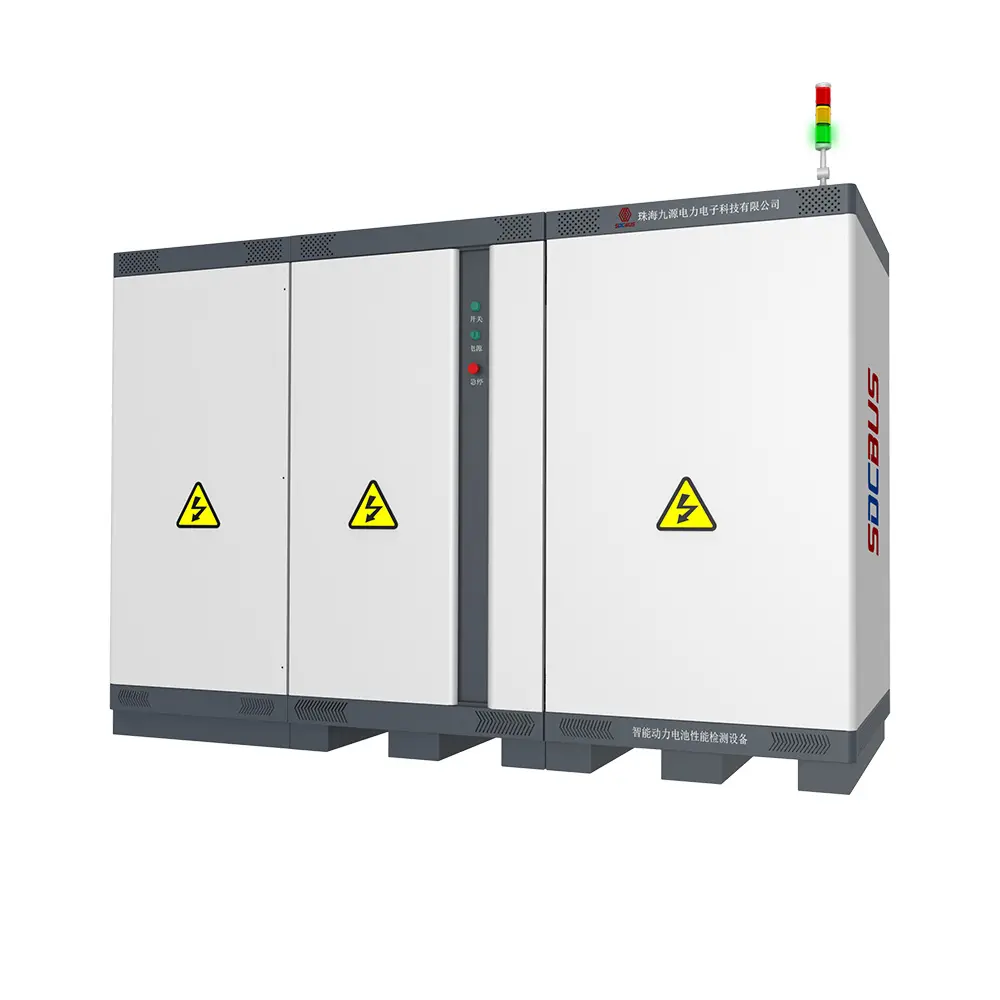
Understanding the Role of Battery Module Testing
Battery modules are the core building blocks of an electric vehicle energy system. Each module integrates multiple battery cells along with mechanical structures and monitoring components. Testing battery modules electric vehicle applications is essential to ensure safety, consistency, and long term reliability before integration into vehicle battery packs.
From practical experience in battery performance testing, insufficient module level testing often leads to imbalance issues, accelerated degradation, or unexpected thermal behavior at the pack stage.
Why Performance Testing Is Critical for EV Battery Modules
Unlike simple functional checks, performance testing focuses on how battery modules behave under real operating conditions. This includes charge and discharge efficiency, capacity retention, voltage consistency, and response under varying load profiles.
For battery modules electric vehicle systems, performance testing helps manufacturers verify that modules meet design expectations without overstressing cells or shortening service life. This testing does not provide power to the system but evaluates how the module performs when connected to controlled external conditions.
Key Parameters Evaluated During Battery Module Testing
Professional testing of battery modules electric vehicle applications typically focuses on several measurable indicators. These include voltage accuracy across channels, current response stability, temperature related performance trends, and consistency between cells within a module.
Based on engineering practice, tracking these parameters over repeated cycles allows manufacturers to identify early signs of imbalance or degradation, improving overall quality control before mass production.
Testing Methods Based on Real World EV Scenarios
Effective battery module testing simulates real usage scenarios such as partial charge cycles, variable load conditions, and repeated aging tests. These methods reflect how electric vehicles operate in daily driving rather than ideal laboratory environments.
By focusing on realistic operating profiles, testing results become more meaningful for battery modules electric vehicle applications, supporting better design decisions and validation processes.
Communication Interfaces Designed for Stable Data Acquisition
Reliable communication is essential for accurate battery module testing. Instead of USB based connections, professional systems use industrial grade communication methods such as CAN bus, daisy chain structures, RS485, RS232, and Modbus.
These interfaces provide stable, synchronized data transmission across multiple test channels, especially when scaling tests for multiple battery modules electric vehicle projects. Daisy chain communication also simplifies system expansion while maintaining signal integrity.
Clear Positioning: Performance Testing Without Power Supply Functions
It is important to clarify that battery module testing systems are designed exclusively for performance evaluation and data analysis. They do not function as power supplies and cannot be used for industrial automation systems, UPS inverters, or precision instrument calibration.
This clear positioning helps users select the correct equipment and avoid mismatched applications that could compromise test accuracy or system safety.
Practical Experience From Battery Module Test Applications
In practical EV battery development projects, performance testing at the module stage has proven to significantly reduce failure rates at later stages. Engineers can adjust balancing strategies, thermal designs, and protection thresholds based on test data rather than assumptions.
Such experience driven testing practices enhance confidence in battery modules electric vehicle deployment and contribute to safer and more reliable electric vehicles.
Industry Standards and Authoritative References
Battery module testing principles align with widely recognized international standards and research published by automotive engineering associations and battery research institutions. These references emphasize the importance of module level validation as a bridge between cell testing and full pack evaluation.
By following established testing methodologies and transparent data analysis, manufacturers can ensure trustworthiness and regulatory readiness for electric vehicle battery systems.
Conclusion: Building Reliable EV Battery Modules Through Testing
Testing battery modules electric vehicle applications is a foundational step in EV development. Through professional performance testing, realistic simulation, and stable communication systems, manufacturers can improve product reliability without overcomplicating system design.
A well structured testing approach supports safer vehicles, longer battery life, and more predictable performance throughout the EV lifecycle.
Table of Contents
- Understanding the Role of Battery Module Testing
- Why Performance Testing Is Critical for EV Battery Modules
- Key Parameters Evaluated During Battery Module Testing
- Testing Methods Based on Real World EV Scenarios
- Communication Interfaces Designed for Stable Data Acquisition
- Clear Positioning: Performance Testing Without Power Supply Functions
- Practical Experience From Battery Module Test Applications
- Industry Standards and Authoritative References
- Conclusion: Building Reliable EV Battery Modules Through Testing