
 EN
EN
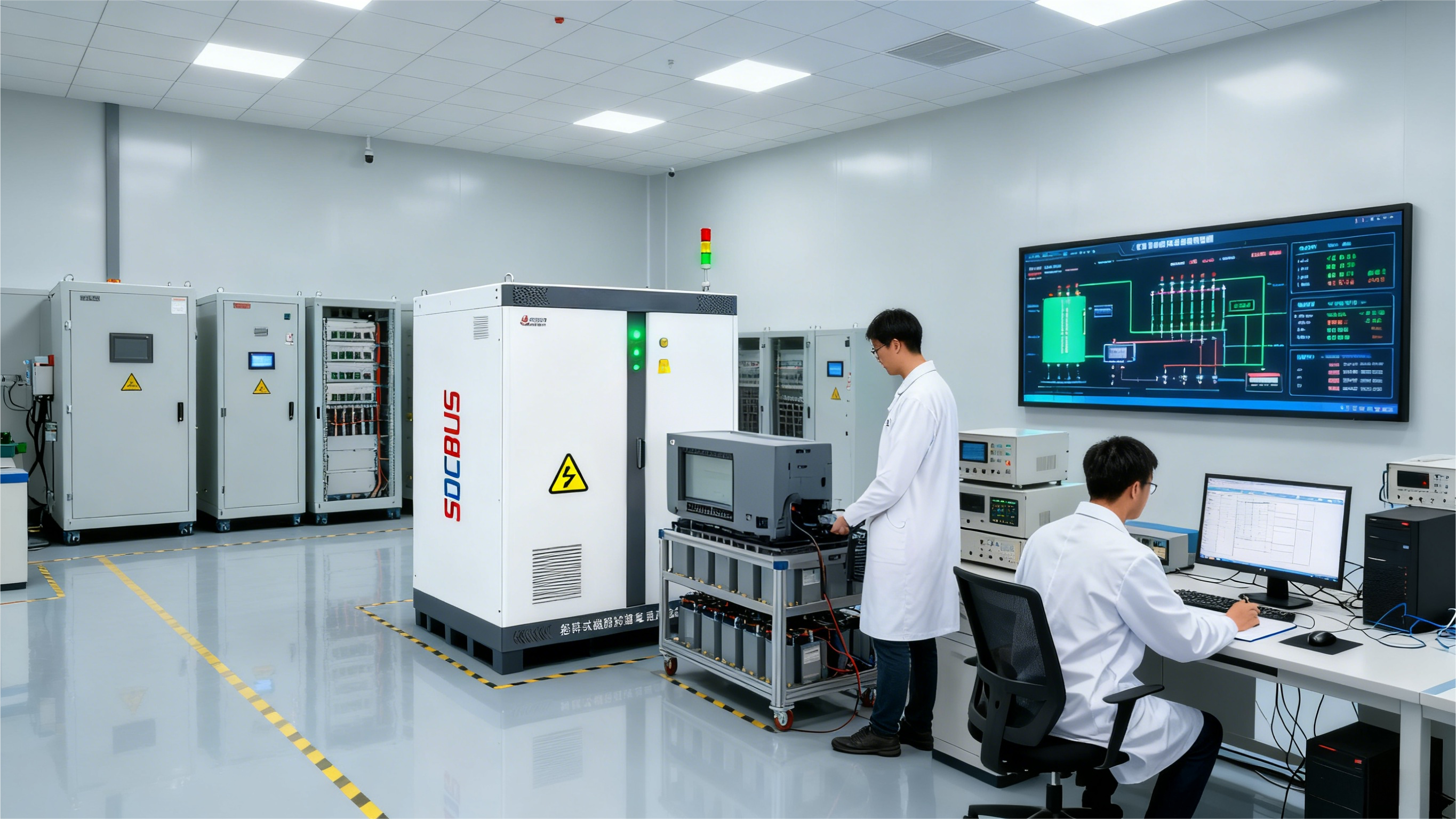
Understanding the Basics of Programmable DC Power Sources
First off, let's get clear on what a programmable DC power source actually is. It's a flexible, high-precision device made to supply steady direct current (DC) power. Unlike regular fixed-output power supplies, this one lets users adjust key parameters like voltage, current, and sometimes even power levels as needed. This adjustability makes it a go-to tool in many fields where exact and changeable power input is a must. And of course, the programmable DC power source stands out for its ability to be controlled remotely or set up with specific output sequences, which adds a lot of convenience for different testing and operational needs.
Key Applications in New Energy Development
When it comes to new energy development, programmable DC power sources play a big role. Take photovoltaic (PV) systems, for example. They’re used to test PV inverters. These inverters need to handle different DC input levels that come from changes in sunlight. A programmable DC power source can mimic these varying DC inputs accurately. This lets engineers check how well the inverters convert DC to AC power and how stable they are under different conditions. For energy storage systems, like battery energy storage, the power source is used to test the performance of energy storage converters (PCS). It can simulate the DC power output from batteries when they’re charging or discharging. This helps make sure the converters work efficiently and reliably when connected to the grid or used off - grid.
Vital Roles in Electric Vehicle Testing
Electric vehicles (EVs) rely heavily on battery systems and related components, and programmable DC power sources are crucial here too. They’re used to test EV batteries. Engineers can set specific voltage and current levels to simulate how batteries charge and discharge during real - world driving. This helps assess the battery’s capacity, charging speed, and lifespan. Also, they test on - board chargers (OBC) in EVs. The power source provides the right DC input to check if the OBC can convert AC power from the grid to the DC power needed to charge the battery efficiently and safely. Motor drive systems in EVs also need testing. The programmable DC power source supplies the DC power required for the motor drive, allowing engineers to check the motor’s performance, efficiency, and response under different load conditions.
Benefits in Laboratory Research and Validation
Laboratories doing research and validation work find programmable DC power sources extremely valuable. One big benefit is their ability to simulate extreme power conditions. For instance, in testing the reliability of electronic devices, the power source can mimic sudden voltage spikes or drops. This helps researchers see how the devices hold up under unexpected power changes. They also offer high precision. When doing experiments that need exact power inputs, like testing the performance of sensors or small electronic circuits, the programmable DC power source can supply power with very low error margins. This ensures the accuracy of the experiment results. Additionally, they’re easy to integrate with automated testing systems. Through interfaces like LAN or CAN, the power source can be controlled by computers. This lets researchers set up automated testing processes, save time, and reduce the chance of human error during tests.