
 EN
EN
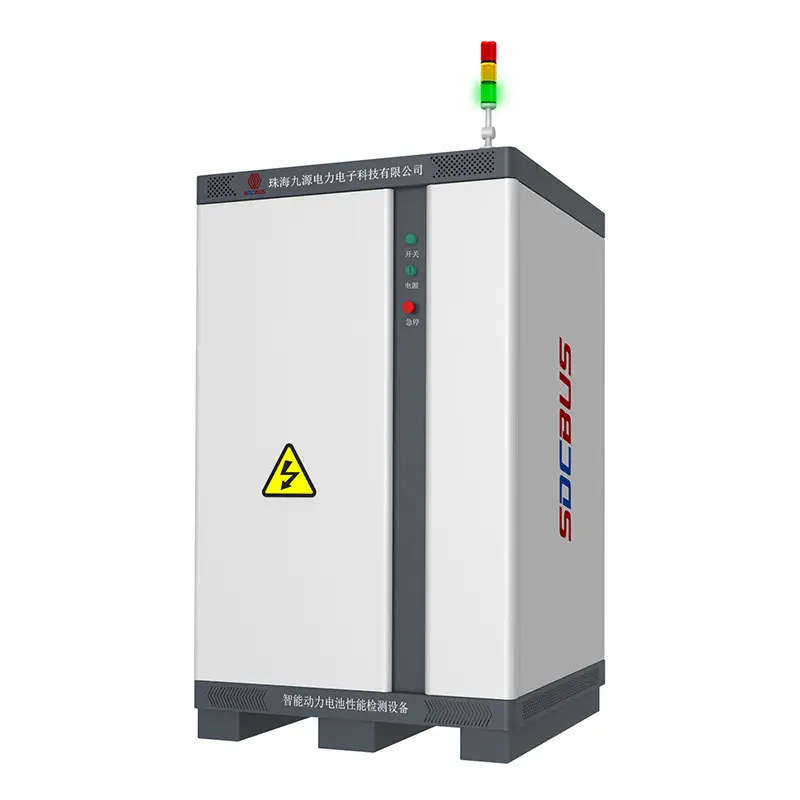
The Critical Role of Grid Simulation Power Sources in Modern Energy Testing
In today's rapidly evolving energy landscape, the integration of renewable energy sources and smart grid technologies has become increasingly complex. This complexity demands advanced testing solutions to ensure the reliability, efficiency, and safety of power systems. One such essential tool is the grid simulation power source, a sophisticated device designed to replicate various grid conditions for comprehensive testing of electrical equipment and systems. As the energy industry transitions towards more sustainable and intelligent solutions, the importance of accurate and versatile grid simulation has never been greater.
Grid simulation power sources play a pivotal role in bridging the gap between theoretical design and real-world application. They enable engineers, researchers, and manufacturers to evaluate the performance of electrical equipment under a wide range of grid scenarios without the need for direct connection to the actual power grid. This not only enhances safety during testing but also allows for the replication of rare or extreme grid conditions that would be difficult, if not impossible, to encounter naturally.
Understanding Grid Simulation Power Sources: Definitions and Working Principles
At its core, a grid simulation power source is a specialized testing device that can generate electrical power with characteristics similar to those of a real power grid. Unlike conventional power supplies, which typically provide stable, fixed output, grid simulation power sources offer precise control over various electrical parameters, allowing them to mimic both normal and abnormal grid conditions.
The working principle of a grid simulation power source involves converting input power (often from the mains supply) into a controlled output that can be adjusted to replicate different grid scenarios. This process typically involves several key components: an input stage that conditions the incoming power, a power conversion stage (usually using advanced semiconductor devices like IGBTs), and a sophisticated control system that manages the output parameters. The control system, often based on digital signal processing (DSP) technology, enables precise regulation of voltage, frequency, phase, and harmonic content, as well as the simulation of transient events such as voltage sags, swells, and interruptions.
Grid simulation power sources are distinguished by their ability to provide both steady-state and dynamic grid simulations. In steady-state mode, they can generate stable voltages and frequencies with controlled harmonic distortion, allowing for testing under normal operating conditions. In dynamic mode, they can rapidly change output parameters to simulate grid disturbances, enabling the evaluation of equipment response to transient events.
Key Applications of Grid Simulation Power Sources
Renewable Energy System Testing
One of the most important applications of grid simulation power sources is in the testing of renewable energy systems, such as solar photovoltaic (PV) inverters and wind turbine converters. These devices must comply with strict grid connection standards to ensure they can operate safely and efficiently when integrated into the power grid. Grid simulation power sources enable comprehensive testing of these systems under various grid conditions, helping manufacturers verify compliance with standards such as IEEE 1547, IEC 61727, and GB/T 19964.
For solar PV inverters, grid simulation power sources can replicate different grid voltage and frequency conditions, allowing engineers to test the inverter's response to voltage variations, frequency fluctuations, and harmonic distortion. They can also simulate grid faults, such as voltage sags and swells, to evaluate the inverter's low-voltage ride-through (LVRT) and high-voltage ride-through (HVRT) capabilities. This is crucial for ensuring that renewable energy systems can maintain grid stability during abnormal conditions.
Power Equipment Validation and Certification
Grid simulation power sources are essential tools in the validation and certification of various power equipment, including UPS systems, generators, and power quality correction devices. These devices must undergo rigorous testing to ensure they meet industry standards and performance requirements before they can be deployed in real-world applications.
During the validation process, grid simulation power sources can replicate a wide range of grid conditions to evaluate equipment performance. For example, they can simulate voltage and frequency variations to test the regulation capabilities of generators, or create harmonic-rich environments to assess the effectiveness of power quality correction devices. By providing precise control over the test conditions, grid simulation power sources enable accurate and repeatable testing, ensuring that equipment meets the required specifications.
Certification testing often requires compliance with specific standards that mandate testing under particular grid conditions. Grid simulation power sources provide the flexibility to meet these diverse requirements, making them indispensable tools for manufacturers seeking certification for their products in global markets.
Academic and Industrial Research
Grid simulation power sources also play a vital role in academic and industrial research, providing a flexible platform for studying power system dynamics, developing new control algorithms, and exploring innovative grid technologies. Researchers can use these devices to create controlled environments for experimenting with advanced concepts such as microgrids, smart grids, and grid-scale energy storage systems.
In academic settings, grid simulation power sources serve as valuable educational tools, allowing students to gain hands-on experience with power system operations and control without the risks associated with working on the actual grid. They can be used to demonstrate various grid phenomena, such as voltage stability, frequency control, and transient response, helping students develop a deeper understanding of power system dynamics.
In industrial research, grid simulation power sources enable the development and testing of new technologies and control strategies. For example, they can be used to evaluate the performance of advanced grid management systems, test the integration of energy storage devices, or study the behavior of complex power electronics systems under realistic grid conditions. This research is crucial for driving innovation in the energy sector and addressing the challenges of modern power system operation.
Why Choose Professional Grid Simulation Testing Solutions
In an era where energy systems are becoming increasingly complex and interconnected, the importance of professional grid simulation testing solutions cannot be overstated. These advanced testing tools offer numerous advantages over basic power supplies or makeshift test setups, making them indispensable for modern energy testing applications.
One of the primary benefits of professional grid simulation solutions is their ability to accurately replicate the full range of grid conditions that electrical equipment may encounter during operation. This includes not only normal operating conditions but also the various fault scenarios and transient events that can occur on the power grid. By testing equipment under these realistic conditions, manufacturers can ensure that their products will perform reliably and safely in the field, reducing the risk of failures and improving overall system reliability.
Professional grid simulation solutions also offer superior precision and control compared to basic testing equipment. This allows for more accurate and repeatable test results, which is crucial for product development, certification, and quality control. The advanced control systems in these simulators enable precise adjustment of output parameters, ensuring that tests are conducted under exactly the conditions specified by industry standards or internal requirements.
Another key advantage of professional grid simulation solutions is their flexibility and versatility. These systems can be configured to meet the specific needs of different testing applications, from small-scale component testing to large-scale system validation. They can generate a wide range of output voltages and frequencies, making them suitable for testing equipment designed for use in different regions and grid standards.
Furthermore, professional grid simulation solutions often come with comprehensive software packages that simplify test setup, execution, and data analysis. These software tools provide intuitive user interfaces, pre-defined test procedures, and advanced data visualization capabilities, enabling engineers to conduct complex tests with greater efficiency and accuracy.
Conclusion: The Future of Grid Simulation Power Sources
As the global energy landscape continues to evolve, the role of grid simulation power sources will become increasingly important. The ongoing transition to renewable energy, the growing complexity of power systems, and the need for enhanced grid reliability and resilience are all driving the demand for more advanced and sophisticated testing solutions.
Looking to the future, we can expect to see several key developments in grid simulation technology. One trend is the increasing integration of digital twins and virtual testing environments, which will enable more comprehensive and efficient testing of power systems. Grid simulation power sources will play a central role in these virtual environments, providing the realistic grid conditions needed to validate digital models and simulate system behavior.
Another important trend is the development of more compact, efficient, and cost-effective grid simulation solutions. Advances in power electronics and control technology are making it possible to create smaller, lighter grid simulators without compromising performance. This will make grid simulation technology more accessible to a wider range of users, including small and medium-sized enterprises and academic institutions.
The growing focus on smart grid technologies and the Internet of Things (IoT) is also likely to impact grid simulation power sources. Future systems may incorporate advanced connectivity features, enabling remote monitoring, predictive maintenance, and real-time data analysis. This will enhance the efficiency and effectiveness of grid simulation testing, allowing for more proactive and data-driven decision making.
In conclusion, grid simulation power sources are essential tools for ensuring the reliability, efficiency, and safety of modern power systems. Their ability to replicate realistic grid conditions enables comprehensive testing of electrical equipment, from renewable energy systems to power quality devices. As the energy industry continues to evolve, the importance of advanced grid simulation solutions will only grow, driving innovation and enabling the development of the next generation of energy technologies. By investing in professional grid simulation testing solutions, manufacturers, researchers, and utilities can ensure that their products and systems are ready to meet the challenges of the future energy landscape.