
 EN
EN
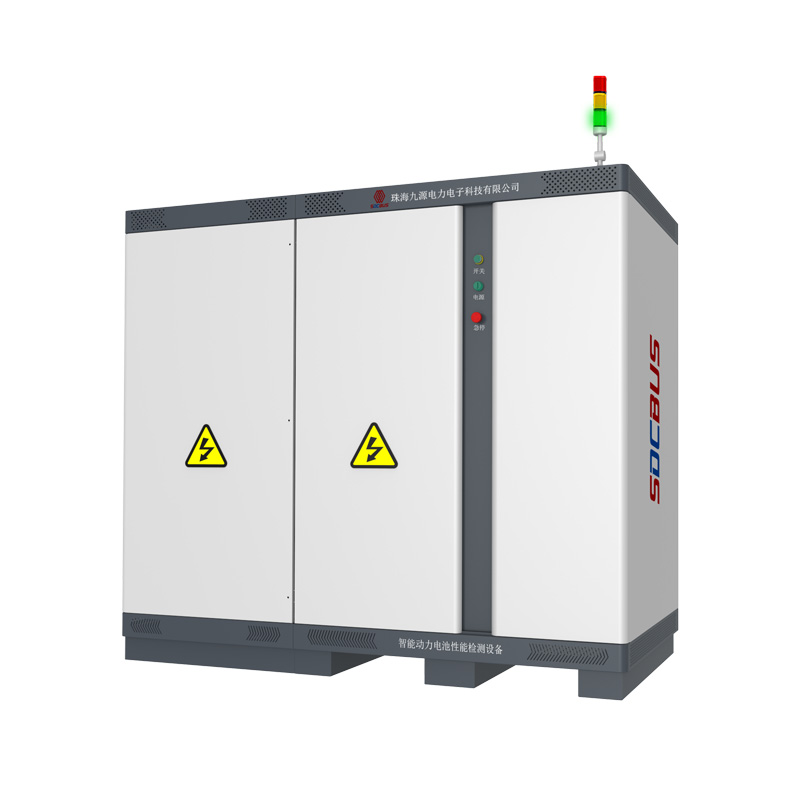
Introduction to Grid Simulation
A Renewable Energy Grid Simulation System is an advanced piece of test equipment designed to replicate the conditions of an electrical grid. Its primary purpose is to test how energy-related devices, such as energy storage systems, photovoltaic inverters, and electric vehicle charging equipment, interact with and perform under various grid scenarios. For manufacturers and developers in the renewable energy sector, this system is indispensable for validating product reliability, safety, and compliance with grid codes before real-world deployment. By simulating everything from a stable "ideal" grid to "extreme" fault conditions, it ensures that components and systems can handle the unpredictable nature of modern power networks integrated with renewable sources.
Core Function: Testing Grid Adaptability
The fundamental role of a renewable energy grid simulation system is to assess the grid adaptability of equipment. This involves testing the device's ability to maintain stable operation when faced with grid disturbances like voltage sags, swells, frequency variations, and harmonic distortions. For instance, it can verify if an energy storage system correctly disconnects during a grid outage (anti-islanding protection) or seamlessly adjusts its power output to support grid frequency. This rigorous testing is crucial for preventing failures that could lead to equipment damage or broader grid instability, thereby accelerating the safe integration of renewable energy technologies.
Key Technical Features
Modern renewable energy grid simulation systems boast several key features. They offer high power precision and dynamic response capabilities to accurately mimic real-grid behavior. A critical feature is bidirectional power flow, allowing the system to act both as a power source (supplying energy to the device under test) and as an active load (absorbing energy fed back from the device, such as from a battery). This enables comprehensive testing of energy flow in both directions. Furthermore, these systems utilize advanced communication interfaces like CAN bus, RS485, RS232, and Modbus protocol for seamless integration into automated test platforms, avoiding proprietary or consumer-grade connections.
Applications in the Renewable Energy Chain
The application of a renewable energy grid simulation system spans the entire renewable energy chain. It is vital for testing components in energy storage systems (ESS), ensuring converters and battery management systems interact correctly with the grid. In solar energy, it tests photovoltaic inverters' response to changing grid conditions. For electric transportation, it validates the performance of EV chargers, especially bidirectional chargers enabling Vehicle-to-Grid (V2G) technology. It is also used in research and development labs for new power electronics and in quality verification on production lines.
Advantages of Using a Grid Simulator
Employing a renewable energy grid simulation system provides significant advantages. It significantly reduces testing time and costs compared to field testing, allowing for the safe replication of rare or dangerous grid events in a controlled lab environment. This leads to higher product quality and reliability. The system's energy recycling capability, where power drawn from the grid or returned by the device under test is fed back, results in substantial energy savings and lower operational costs. Ultimately, it de-risks product development and enhances the credibility of manufacturers by ensuring their products are robust and grid-compliant.
Choosing the Right System
Selecting the appropriate renewable energy grid simulation system depends on specific testing requirements. Key considerations include the required power rating, voltage and current ranges, the accuracy of output, and the ability to simulate specific grid waveforms and disturbances. The system's communication and control capabilities should align with the existing test setup. It is essential to choose a system specifically designed for performance testing of energy components, distinct from general-purpose power supplies or industrial automation equipment, to ensure valid and relevant results for the renewable energy sector.