
 EN
EN
Introduction
Battery pack testing is a critical phase in the development and quality assurance of energy storage systems, electric vehicles, and various portable electronic devices. Ensuring the safety, reliability, and performance of battery packs under diverse conditions is paramount. This article delves into the essential methods employed in comprehensive battery pack testing, focusing on performance evaluation rather than power supply design. We aim to provide a clear, professional overview that is accessible to a broad audience while highlighting best practices in the industry.It is important to note that these testing methodologies are primarily focused on the R&D and verification phases of battery packs for sectors like electric mobility and energy storage, and are not designed for general industrial automation or process control applications.
Core Principles of Battery Pack Testing
Effective battery pack testing hinges on several core principles. Primarily, tests must simulate real-world operating conditions to gather meaningful data. This involves evaluating parameters such as capacity, voltage, current, temperature, and internal resistance under controlled yet dynamic scenarios. The goal is to identify potential failures, assess longevity, and verify that the pack meets specified design standards and safety regulations. A robust testing protocol not only validates performance but also enhances product reliability and user safety.
Common Test Methodologies and Procedures
Several standardized methodologies form the backbone of battery pack testing. These include electrical performance tests, environmental stress tests, and safety assessments. Electrical tests often involve charge-discharge cycle testing, efficiency measurement, and pulse load testing to evaluate how the pack responds to varying demands. Environmental tests subject the pack to extreme temperatures, humidity, and vibration to ensure durability. Safety tests, such as overcharge, short-circuit, and crush tests, are vital for risk mitigation. Each procedure must be meticulously planned and executed to generate accurate, reproducible results that inform design improvements.
Utilizing Advanced Testing Equipment and Systems
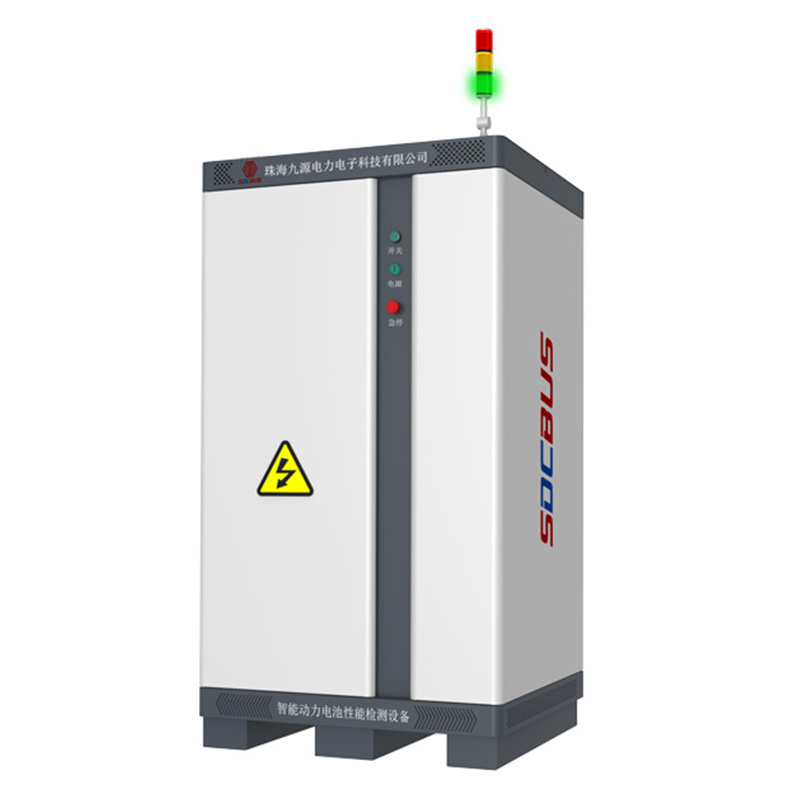
The accuracy of battery pack testing heavily depends on the sophistication of the equipment used. Modern testing systems integrate high-precision instruments dedicated to battery testing for data acquisition, including battery cyclers, environmental chambers, and data loggers. For instance, according to expert analysis in the Journal of Power Sources, automated test systems with real-time monitoring capabilities significantly enhance detection of anomalies like voltage drift or thermal runaway. Investing in advanced tools allows for more granular data collection, facilitating deeper insights into pack behavior under stress and accelerating the development cycle.
Interpreting Test Data and Implementing Improvements
Collecting data is only the first step; interpreting it correctly drives meaningful improvements. Performance metrics from battery pack testing, such as cycle life degradation curves or thermal profiles, must be analyzed to pinpoint weaknesses. As noted in industry whitepapers, correlating test outcomes with design parameters—like cell selection or thermal management—enables targeted enhancements. For example, if testing reveals premature capacity fade, engineers might adjust the battery management system (BMS) algorithms or improve cooling mechanisms. This iterative process, grounded in data, ensures continuous product optimization and adherence to evolving market standards.
Best Practices for Ensuring Test Accuracy and Safety
To maintain integrity in battery pack testing, adherence to best practices is non-negotiable. This includes calibrating equipment regularly, following standardized protocols (e.g., UL or IEC guidelines), and implementing stringent safety measures during high-risk tests. Transparency in reporting results, including any limitations or anomalies, builds trust with stakeholders. For instance, drawing from practical experience, we recommend conducting tests in phases—starting with low-stress conditions and gradually escalating—to safely identify failure points without compromising equipment or personnel. Such an approach underscores a commitment to accuracy and ethical testing.
Conclusion
In summary, battery pack testing is a multifaceted discipline essential for delivering safe, high-performance energy solutions. By employing a mix of electrical, environmental, and safety tests, supported by advanced equipment and data-driven analysis, manufacturers can achieve superior product quality. As the industry evolves, staying abreast of emerging methodologies and regulations will remain key. For those seeking reliable testing services, partnering with experts focused on performance validation ensures that every battery pack meets the rigorous demands of modern applications.