
 EN
EN
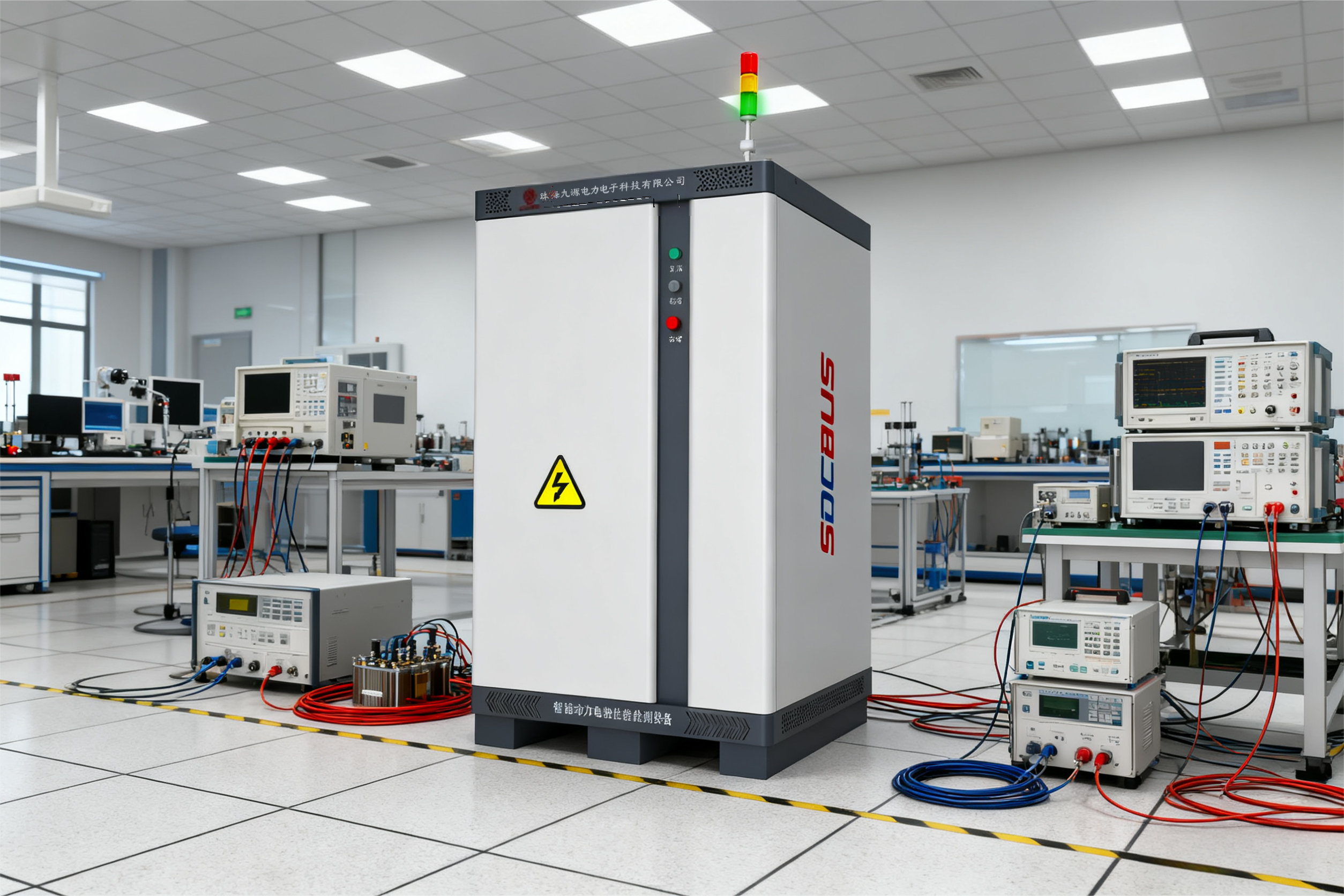
Energy Storage Efficiency Testing Systems: Rigorous Performance Evaluation for Large-Scale Storage
Overview of System-Level Efficiency Validation
Energy storage efficiency testing systems are engineered for comprehensive performance evaluation and high-level validation of full-scale energy storage platforms under controlled and repeatable conditions. These architectures function strictly as dedicated validation infrastructure within laboratory and engineering environments to analyze system behavior, round-trip efficiency, and long-term thermal energy performance.
In practical engineering workflows, developers rely on this type of system to reproduce stable, programmable test conditions. This enables teams to precisely observe how energy storage assets perform during continuous charging and discharging profiles, significantly improving data reliability and supporting structured performance validation during product development.
Understanding Energy Efficiency in System-Level Infrastructure
Energy efficiency represents one of the most critical indicators in the evaluation of grid-scale energy storage assets, directly reflecting how effectively electrical energy is converted, stored, and released during real-world operation. Specialized efficiency testing systems provide a secure, isolated environment to measure these conversion processes under highly consistent conditions.
In professional testing practice, engineers focus on analyzing energy loss behavior, capacity retention, and tracking efficiency across various dynamic operating scenarios. These technical evaluations help isolate system bottlenecks, allowing developers to make informed optimization decisions based on highly accurate, empirical engineering data.
Ensuring Superior Measurement Precision and Repeatability
A fundamental advantage of professional efficiency testing systems is their capability to maintain perfectly stable, repeatable measurement conditions across hundreds of consecutive test cycles. Total consistency is essential when evaluating system performance, as even minor environmental or electrical variations can skew efficiency datasets.
The implementation of high-tier power electronic control ensures premium tracking precision, helping deliver uniform and reliable measurement outputs during complex efficiency evaluation workflows. From an engineering perspective, establishing these highly repeatable testing environments is critical for reducing measurement uncertainty and reinforcing confidence in long-term performance assessments.
Simulating Complex Real-World Operating Conditions
In real-world utility applications, energy storage assets operate under volatile and highly unpredictable electrical environments. To evaluate system performance accurately, validation infrastructure must be capable of replicating these complex profiles within a fully controlled laboratory setting.
Advanced efficiency testing systems enable project teams to precisely reproduce dynamic scenarios, including sudden load variations, rapid voltage fluctuations, and continuous, variable charge-discharge cycles. These simulations allow detailed technical analysis of how system efficiency scales under heavy operational stress, providing vastly superior safety, controllability, and data acquisition compared to risky field testing.
Streamlining Product Optimization Workflows
System-level efficiency testing plays a vital role in accelerating product development and refining overall system architecture. With highly automated programmable testing capabilities, engineers can rapidly adjust parameters, execute diverse test profiles, and analyze performance characteristics without rebuilding the physical test layout.
This operational flexibility minimizes testing complexity, shortens compliance timelines, and drastically improves overall development productivity for energy storage manufacturers. It also enables early-stage identification of thermal or electrical losses, allowing targeted firmware or hardware adjustments during design iterations to ensure superior system reliability.
Integrated Architecture and Robust System Coordination
Modern system validation frequently requires the seamless integration of multi-channel instruments, thermal chambers, and central data acquisition platforms. Our efficiency testing systems are built on a highly flexible, scalable communication architecture designed to support coordinated testing workflows.
The underlying hardware matrix natively supports robust industrial standards, including CAN-based communication, RS485, RS232, Modbus protocols, and scalable multi-device Daisy Chain integration structures. Rather than relying on rigid, standalone interfaces, the platform emphasizes unified multi-module coordination, ensuring lag-free command transmission and secure data management across complex testing cells.
Dedicated Focus on High-Power System Validation
Energy storage efficiency testing systems are designed exclusively for system-level performance testing, compliance validation, and advanced engineering research. To ensure maximum technical specialization and operational safety, our business and hardware configurations operate completely independently of factory automation systems, production-line calibration tools, consumer UPS platforms, or individual component-level cell testing. This clear technical positioning guarantees that our laboratory resources remain perfectly aligned with the intense demands of utility-scale energy storage assets.
Table of Contents
- Overview of System-Level Efficiency Validation
- Understanding Energy Efficiency in System-Level Infrastructure
- Ensuring Superior Measurement Precision and Repeatability
- Simulating Complex Real-World Operating Conditions
- Streamlining Product Optimization Workflows
- Integrated Architecture and Robust System Coordination
- Dedicated Focus on High-Power System Validation