
 EN
EN
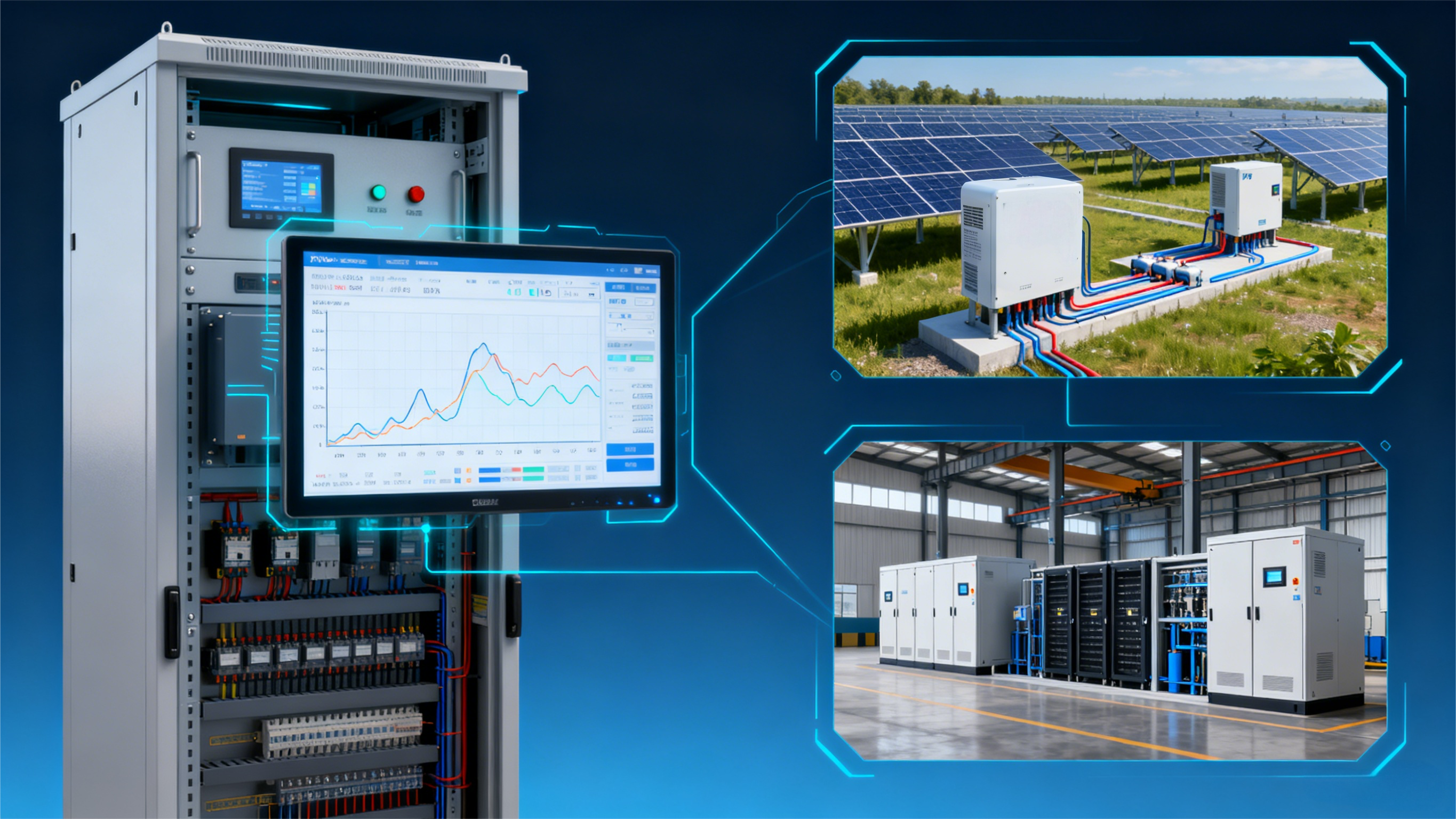
Power Electronic Technology, we utilize these advanced systems not as a hardware manufacturer, but as a specialized testing solution provider to ensure the highest standards of battery characterization.
A bidirectional architecture consolidates charging and discharging functions into a single, high-efficiency unit. This integration fundamentally transforms how engineers approach battery validation, providing a seamless transition between energy sourcing and sinking that traditional unidirectional power supplies cannot match.
The Technical Foundation: Seamless Energy Flow
A bidirectional power supply operates on the principle of four-quadrant power conversion. Unlike conventional setups that require separate electronic loads for discharging, a bidirectional system can both source power (charge) and sink power (discharge) instantaneously. This dual functionality significantly simplifies test configurations while improving overall measurement integrity.
High-end testing platforms often utilize regenerative technology, allowing the energy absorbed during the discharge phase to be recycled rather than dissipated as waste heat. This not only reduces operational overhead but also ensures a more stable thermal environment—a critical factor for repeatable battery life-cycle data. By maintaining a clean and controlled power flow, these systems allow for the precise simulation of real-world dynamic stress tests (DST) and federal urban driving schedules (FUDS).
Precision and Accuracy in Charge-Discharge Characterization
Measurement integrity is the most critical factor in battery performance engineering. When conducting long-term cycle life tests, even minor inaccuracies can lead to significant errors in calculating capacity fade and state-of-health (SoH). To meet international standards, a professional bidirectional power supply for charge-discharge test setup must offer exceptional precision.
Our integrated testing solutions prioritize equipment with high-resolution measurement capabilities, typically achieving current accuracy within ±0.05% (5/10,000). This level of precision is essential for calculating critical parameters such as:
- ● DC Internal Resistance (DCIR): Measured via high-speed pulse current response.
- ● Coulombic Efficiency: Requiring exact measurement of ampere-hour (Ah) throughput.
- ● Energy Density: Determined by precise watt-hour (Wh) integration during discharge.
Specialized Applications: BMS Validation and Pack Testing
The versatility of bidirectional testing systems extends across the entire battery value chain. For Battery Management System (BMS) validation, these systems simulate the charging profiles of high-voltage chargers and the discharging profiles of traction motors. By utilizing robust communication interfaces—specifically CAN, RS485, and Daisy Chain configurations—multiple testing channels can be synchronized to monitor complex multi-cell pack behaviors in real-time.
It is important to note that our focus is strictly on performance characterization for battery packs and modules. Our solutions are not intended for individual cell-level testing (cell testing), nor are they applied to industrial automation, UPS inverters, or the calibration of industrial precision instruments. This specialization allows us to provide deeper insights into thermal management and safety boundaries for automotive and renewable energy clients.
Best Practices for Reliable Performance Data
Drawing from extensive field experience, several best practices ensure the validity of charge-discharge results. First, the implementation of four-wire (Kelvin) sensing is non-negotiable; it eliminates measurement errors caused by voltage drops in test leads, ensuring the system reads the true voltage at the battery terminals.
Second, establishing comprehensive data logging protocols through stable industrial protocols like Modbus or CAN enables millisecond-level analysis. This granularity is required for advanced diagnostics, such as differential capacity analysis (dV/dQ), which can reveal chemical degradation mechanisms that standard capacity tests might miss. By combining high-precision hardware with expert-level integration, we provide a transparent and authoritative audit of battery performance.