
 EN
EN
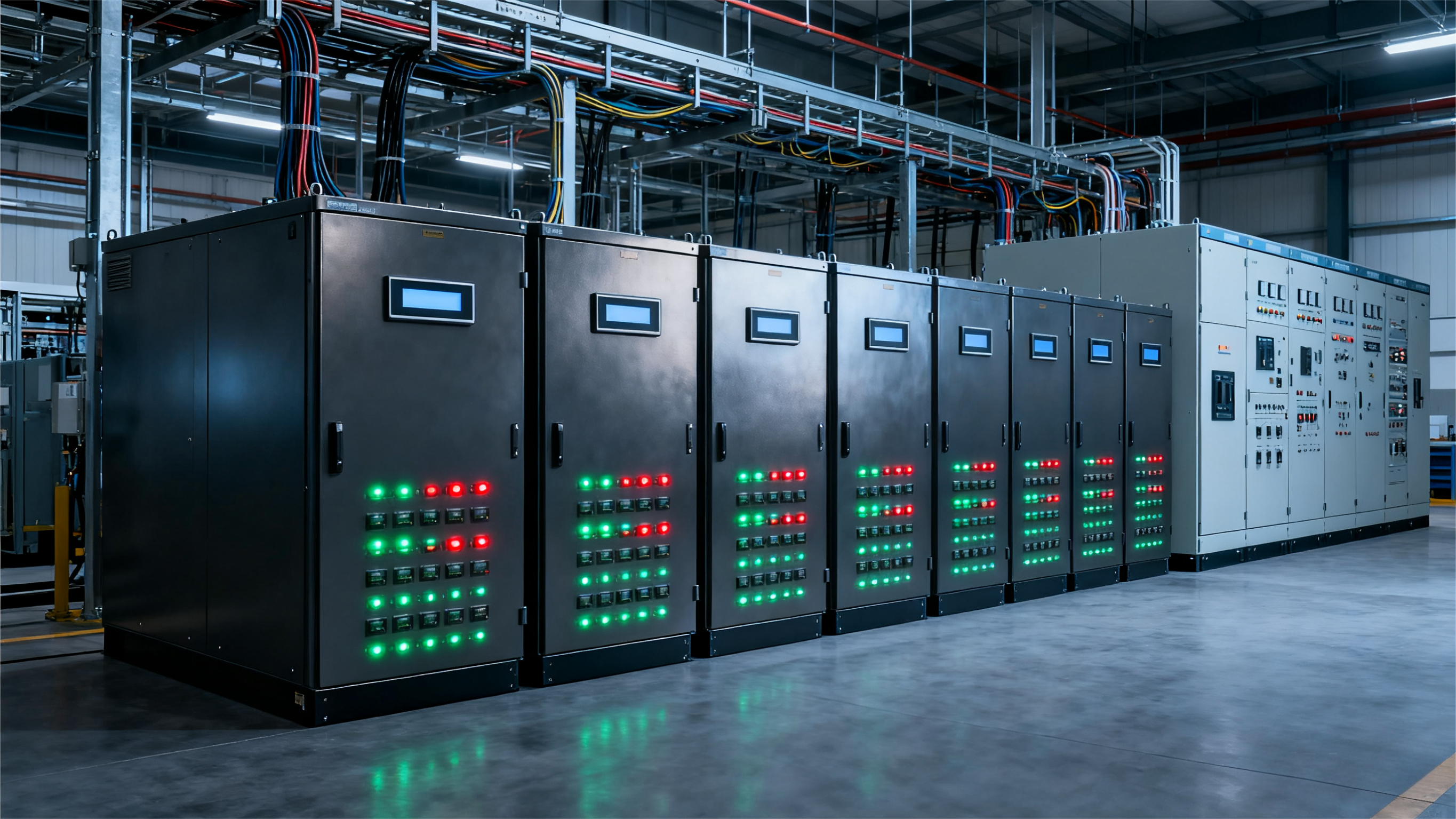
בנוף המתפתח במהירות של אנרגיה חדשה וחשמול, האמינות והבטיחות של מערכות סוללות - החל מחבילות גרירה לרכב חשמלי (EV) ועד מערכות אחסון אנרגיה בקנה מידה רשת (ESS) - הן בעלות חשיבות עליונה. מאחורי כל פריצת דרך בטכנולוגיית סוללות עומד בסיס של נתוני בדיקה קפדניים, ניתנים לחזרה ואמינים. בלב תהליך האימות הזה עבור מערכות בדיקה מדויקות, כגון מערכת בדיקת ביצועי סוללות סדרת SDCBUS של Zhuhai Jiuyuan Power Electronics, נמצאת טכנולוגיה מאפשרת קריטית: ספק כוח ליניארי DC הניתן לתכנות. בעוד שלעתים קרובות מאפיל על ידי דיונים על טופולוגיות יעילות גבוהה, המאפיינים הייחודיים של טכנולוגיה ליניארית מספקים יתרונות הכרחיים עבור יישומים שבהם טוהר האות וודאות המדידה אינם ניתנים למשא ומתן. מאמר זה בוחן מדוע ספקי כוח ליניאריים DC הניתנים לתכנות נותרים תקן הזהב לבניית פלטפורמות בדיקה באיכות גבוהה הנדרשות לאימות הדור הבא של סוללות ליתיום-יון עבור רכבים חשמליים ו-ESS.
טוהר אות גבוה יותר עבור מאפיין מדויק של סוללה
היתרון החשוב ביותר של אספקת חשמל קבועה לינארית תוכנת במערכת בדיקת סוללות הוא היכולת שלה לספק כוח נקי במיוחד. בניגוד למספקי חשמל המופנים, אשר מייצרים רעש חשמלי בעל תדר גבוה כשמפעילים ומכבים במהירות, עיצובים לינאריים פועלים על ידי רגולציה חלקה של היוצא. זה מוביל למקסימום של גליל וירידה ברעש, המודדים לעתים קרובות במיקרו וולט.
למערכת בעלת דיוק גבוה כמו סדרת SDCBUS, אשר מבצעת בדיקות ביצועים חשמליים על סוללות ליתיום-יון וסוללות מתקדמות אחרות, טהרה זו היא יסודית. בעת קביעת התנגדות פנימית של סוללה (DCIR) או בעת ביצוע בדיקת קיבולת, כל רעש חשמלי המוזרם על ידי מקור הכוח עלול לפגוע במדידה. הוא עלול להסתיר אותות אלקטרו-כימיים עדינים או ליצור אפקטים שגויים שיגרמו למסקנות לא מדויקות בנוגע לסטטוס הבריאות או לביצועים של מודול הסוללה. על ידי סיפוק מקור זרם ישר (DC) שקט ויציב, מדחס כוח ישר ליניארי מתוכנת מבטיח שהנתונים שנאספו משקפים את ההתנהגות האמיתית של הסוללה, ולא את החסרונות של ציוד הבדיקה. בכך נבנית האמון החיוני בין מהנדס הבדיקה לנתוני המדידה.
שליטה יוצאת דופן לבדיקות מהימנות וחזרתיות
דיוק בדיקת סוללות מתרחב מעבר לרעש נמוך; הוא דורש יציבות בלתי משתנה בתנאים משתנים. אספקת חשמל קו ישר מתוכנת מצוינת הן בקו והן בקביעת עומס, היכולת שלהן לשמור על מתח יציאה או זרם מוגדר למרות תנודות במערכת המשתנה או במכשיר המבחן.
שקלו לבדוק מודול סוללה במהלך פליטת זרם גבוה. כאשר עומס משתנה, מדחס עם רגולציה לקוייה של העומס עלול לחוות נפילה רגעית במתח או עלייה חדה (overshoot). בתרחיש בדיקה מדויק, אי-יציבות זו עלולה לבטל את סדרת הבדיקה או לפגוע במעגלים רגישים לביצוע מדידות. בזכות זמני התגובה המהירים באופן טבעי שלהם, מדחסי הליניאריים מתאימים לשינויים רגעיים בעומס כמעט מיידית, ומשמרים את המתח התוכנת עם סטייה זניחה. יציבות זו, בשילוב עם הדיוק הגבוה של מערכות ייויואן (אשר מגיע לדיוק של ±0.05% במתח ובזרם היצואיים), יוצרת סביבת בדיקה שבה התוצאות אינן רק מדויקות, אלא גם ניתנות לחזרה ברמה גבוהה. החזרתיות הזו קריטית לצוותי מחקר ופיתוח השוואים כימיות של תאים, או לקווי ייצור המבצעים אימות סופי (EOL) על חבילות סוללות.
תגובת מעבר מהירה מייצגת דינמיקה של העולם האמיתי
יישומי סוללות מודרניים הם דינמיים במידה רבה. לדוגמה, סוללת רכב חשמלי (EV) עוברת שינויים מהירים בין תאוצה (פריקה גבוהה) לבלימת שיקוף (טעינה גבוהה). כדי לאמת את ביצועי הסוללה ואת מערכות הניהול שלה (BMS) בתנאים ריאליים, ציוד הבדיקה חייב להיות מסוגל לשכפל את השינויים המהירים בעומס האלה.
ספק כוח ישר מתוכנת ליניארי, המשולב במערכת כמו מערכת הספק החשמל האנאלוגית לרשת של סדרת JHT, מספק תגובה מהירה לשינויים כדי לדמות את התרחישים הללו. כאשר רצף בדיקה מורה על קפיצה פתאומית בזרם, ספק כוח ליניארי יכול להגיב עם עיכוב מזערי ובלי חציית ערך או רטט משמעותי. זה מאפשר למפתחים לצפות באופן מדויק כיצד מגיב מודול הסוללה או מערכת ניהול הסוללות (BMS) שלו למתחים אמיתיים. יכולת זו חיונית לפיתוח פרוטוקולי בטיחות אמינות ואלגוריתמי חישוב מצב טעינה (SOC) מדויקים. בנוסף, ספקי כוח מתוכנתים מודרניים ניתנים לשליטה באמצעות פרוטוקולי תקשורת תעשייתיים סטנדרטיים כגון RS485, RS232 או Modbus, וניתן לחבר אותם בשרשרת (daisy-chained) לסנכרון רב-ערוצי, מה שמאפשר יצירת רצפי בדיקה מורכבים ואוטומטיים המחקים מחזורי נהיגה אמיתיים או דרישות רשת.
יציבות ארוכת טווח ואמינות המערכת
מנקודת מבט של הנדסת מערכות, העיצוב האמינה והבוגר של מקורות כוח ליניאריים תורם באופן משמעותי לאמינות לטווח הארוך של תחנת בדיקה כולה. עם פחות רכיבי סגירה בתדר גבוה שנטויים לתקלות הקשורות למתח, מערכות מבוססות ליניאריות מפגינות לעתים קרובות עמידות יוצאת דופן וביצועים עקביים לאורך זמן. זה מתאם באופן מושלם למחויבותה של ג'ויהואן צ'והאי לספק פתרונות ברמה תעשייתית שנבדקו לתקופת חיים מבצעית ארוכה.
ליישומים קריטיים למיסיה, כגון קו ייצור סוללות שחייב לפעול 24/7 או מעבדת אימות שבה שלמות הנתונים היא בעלת חשיבות עליונה, היכולת לחזות את תפקוד ציוד הבדיקה והאמינות שלו הן חשובות באותה מידה כמו המפרטים עצמם. ההחלטה להשתמש בזרם חשמלי נקי ויציב מסטטוס ליניארי היא החלטה לבנות פלטפורמת בדיקה על בסיס טכנולוגיה מוכחת ואמינה. זה ממזער את עצירת התפעול הלא מתוכננת ומבטיח שההשקעה בציוד בדיקה בעל דיוק גבוה ממשיכה לספק ערך לאורך שנים רבות, ומשמרת את תהליך בקרת האיכות עבור כל מודול סוללה ואריזת סוללות שמאפשרות את העתיד החשמלי שלנו.
לסיכום, למרות שהתעשייה של אלקטרוניקה עוצמתית ממשיכה לחדש, מדידות הכוח הליניאריות התכנותיות שולטות במיקום בלתי ניתן להחלפה בלב מערכות הבדיקה המתקדמות של סוללות. לייצרן המתמחה כדוגמת צ'וחאי ג'יוויין, העקרונות שמייצגת הטכנולוגיה הליניארית – רעש נמוך מאוד, דיוק גבוה של ±0.05%, ויסות מעולה ותגובה מהירה לשינויים זמניים – אינם רק תכונות. הם הבלוקים הבסיסיים החשובים ביותר שמאפשרים את ייצור פתרונות הבדיקה המתקדמים, ומבטיחים שכל בדיקת ביצועי סוללה תורמת נתונים אמינים להתקדמות של מערכות אחסון אנרגיה בטוחות יותר, יעילות יותר ועוצמתיות יותר עבור העולם.