
 EN
EN
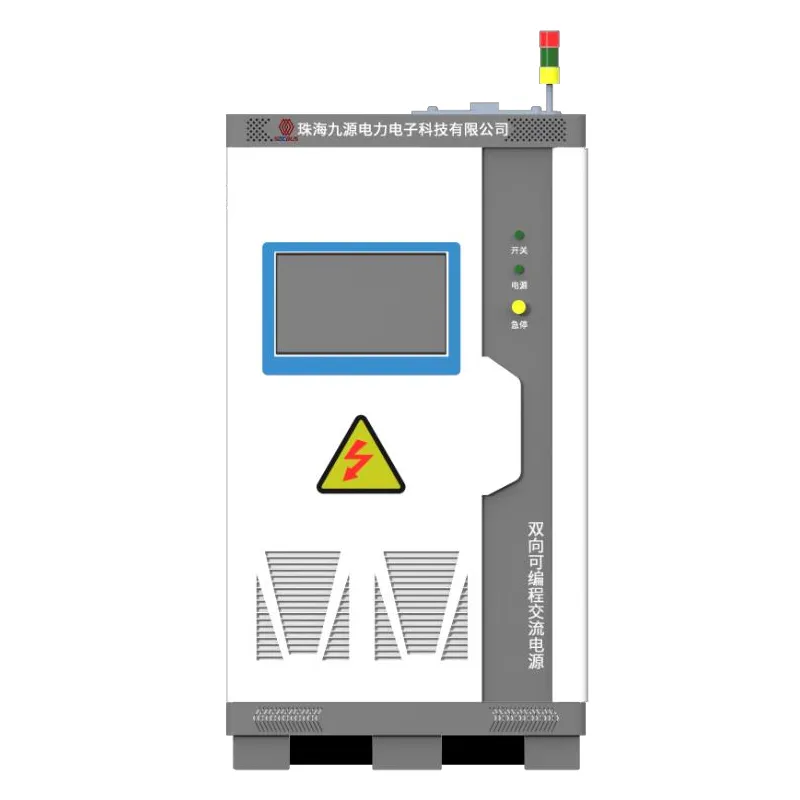
Understanding the Role of a Programmable Grid Simulation Testing System
A programmable grid simulation power supply is a specialized testing platform designed to simulate controlled electrical conditions for performance evaluation and validation. Unlike traditional power supply equipment that focuses on energy delivery, this type of system is mainly used to create programmable and repeatable testing environments for engineering analysis.
In practical testing applications, engineers use grid simulation systems to reproduce different electrical scenarios and evaluate how the tested equipment responds under various conditions. By providing stable and controllable test environments, these systems help improve measurement reliability, support product validation, and provide valuable data for performance optimization.
Programmable Control for Flexible Testing Conditions
One of the most important features of a programmable grid simulation power supply is its ability to provide flexible control over testing parameters. Instead of relying on fixed testing conditions, engineers can configure different simulation scenarios based on specific evaluation requirements.
The system can support testing conditions such as voltage variation, frequency changes, and dynamic operating scenarios. This flexibility allows engineers to analyze system responses more effectively and understand performance characteristics under different simulated environments.
Based on practical engineering experience, programmable control can significantly improve testing efficiency because repeatable conditions make it easier to compare results and identify performance differences.
Improving Testing Accuracy and Data Reliability
Accurate measurement is essential for reliable performance evaluation. Small changes in testing conditions may affect analysis results, making consistency and precision important factors in engineering validation.
A programmable grid simulation testing system provides stable testing conditions to support reliable data collection. Voltage and current accuracy can reach ±0.05%, helping ensure consistent measurement results during performance evaluation processes.
With accurate and repeatable testing data, engineers can better analyze system behavior, identify potential issues, and make technical improvements based on real measurement results.
Simulating Different Electrical Conditions for Performance Analysis
Electrical systems may experience different operating conditions during practical use. A programmable grid simulation testing platform allows engineers to reproduce various scenarios within a controlled environment for detailed performance analysis.
Typical evaluation processes may include voltage response analysis, frequency variation testing, and dynamic condition simulation. Through controlled simulation, engineers can study system behavior more efficiently while reducing the influence of unpredictable external factors.
This approach provides a more structured method for performance validation and helps engineering teams obtain clearer insights during development.
Enhancing Testing Efficiency Through Programmable Functions
Programmable functions allow engineers to create customized testing procedures according to different evaluation objectives. By adjusting testing parameters through software-based control, multiple validation processes can be completed more efficiently.
This capability reduces manual adjustments, improves testing consistency, and helps shorten validation cycles. In engineering projects, a flexible testing workflow allows teams to evaluate more scenarios within a shorter period while maintaining reliable data quality.
For companies focusing on performance improvement, programmable testing methods provide an effective way to optimize development processes.
Creating a Stable and Controlled Testing Environment
A reliable testing environment is essential for obtaining accurate evaluation results. External disturbances or unstable conditions may influence measurement consistency and reduce testing confidence.
A programmable grid simulation testing system helps create a controlled environment where engineers can conduct performance analysis with reduced interference. Stable testing conditions allow teams to focus on system behavior evaluation and improve the reliability of collected data.
In professional testing environments, maintaining control over test conditions is an important factor in achieving meaningful and repeatable results.
Supporting Flexible System Integration
Modern testing platforms often need to work together with different measurement devices and data management systems. Flexible integration capability helps engineers build efficient testing workflows and improve overall testing organization.
A programmable grid simulation testing system can support coordinated communication and data exchange between testing modules through flexible communication architectures. Depending on testing requirements, different communication methods and multi-device integration structures can be configured to support efficient system coordination.
This adaptability enables the testing platform to meet different laboratory configurations while maintaining reliable operation and data management.
Designed for Performance Testing and Validation Applications
A programmable grid simulation power supply is mainly designed for performance testing, validation, and engineering research environments. Its primary purpose is to simulate controlled electrical conditions and help engineers evaluate system responses accurately.
These systems are suitable for performance evaluation, grid-related simulation analysis, research testing, and product validation processes. They are not intended for industrial automation systems, UPS applications, inverter operation, battery cell testing, or production-level power supply functions.
Clear application positioning ensures that the equipment is used correctly and provides reliable testing support within suitable engineering environments.
Supporting Future Testing Requirements
As energy-related technologies continue to develop, testing requirements are becoming increasingly complex. Engineers need flexible and accurate testing tools to evaluate system performance under different operating scenarios.
Programmable grid simulation testing systems provide the necessary capabilities for future validation challenges by offering controlled simulation environments, reliable measurement performance, and efficient testing workflows.
With continuous innovation in testing technology, advanced simulation platforms will continue to support higher-quality product development and more accurate performance evaluation.
Conclusion
The features of a programmable grid simulation power supply make it an important solution for modern performance testing and validation. Through programmable control, accurate measurement, and repeatable testing conditions, these systems help engineers analyze electrical performance more efficiently.
With advantages in flexibility, reliability, and system integration, programmable grid simulation testing platforms provide valuable support for research and development activities. As testing requirements continue to evolve, reliable simulation solutions will remain essential for improving validation quality and supporting technological advancement.
Table of Contents
- Understanding the Role of a Programmable Grid Simulation Testing System
- Programmable Control for Flexible Testing Conditions
- Improving Testing Accuracy and Data Reliability
- Simulating Different Electrical Conditions for Performance Analysis
- Enhancing Testing Efficiency Through Programmable Functions
- Creating a Stable and Controlled Testing Environment
- Supporting Flexible System Integration
- Designed for Performance Testing and Validation Applications
- Supporting Future Testing Requirements
- Conclusion