
 EN
EN
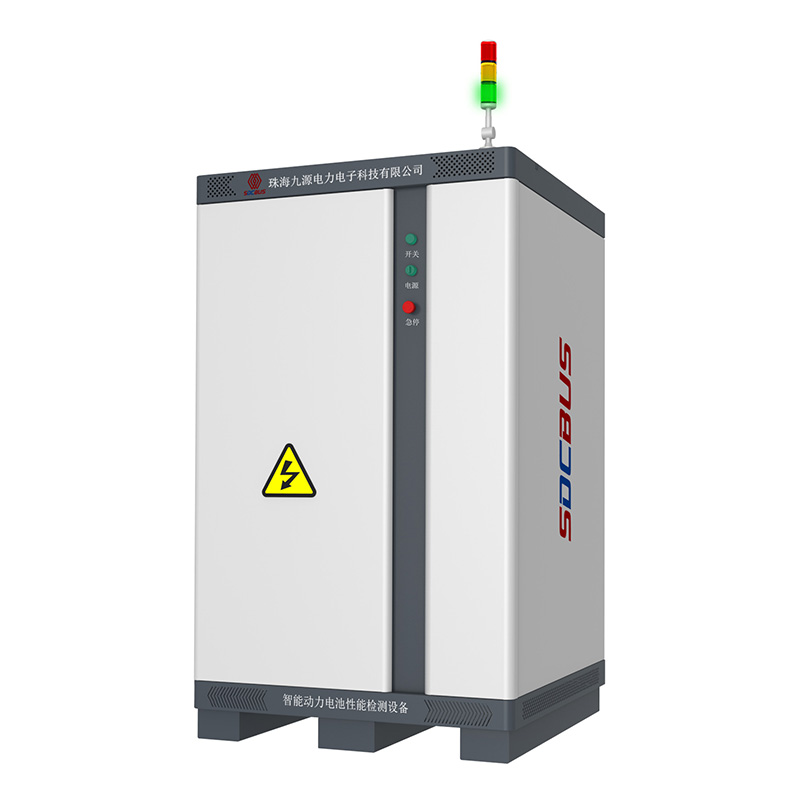
Understanding the Purpose of an E-Mobility Battery Test System
An e-mobility battery test system is a specialized platform designed to evaluate the performance of electric vehicle battery packs and modules. Unlike power supplies or equipment used for industrial automation, this system focuses exclusively on performance testing. It does not provide energy to batteries and cannot be used for controlling automated production lines or precision instruments.
At the heart of the system is the electronic battery tester, which measures how a battery behaves under different electrical loads and thermal conditions. These measurements allow engineers to determine whether the battery meets requirements for efficiency, stability, cycle durability, and long-term thermal performance.
How the System Simulates Real-World Operating Conditions
Electric vehicle batteries face complex real-life scenarios, including rapid acceleration, regenerative braking, long-distance driving, and fluctuating environmental temperatures. The test system reproduces these conditions in a controlled environment, allowing engineers to monitor battery behavior accurately.
The electronic battery tester collects data on voltage, current, temperature response, internal resistance, and cycle characteristics. It does not act as a power source; instead, it simulates load conditions to assess the battery’s natural performance without external interference.
This process helps identify potential issues such as heat accumulation, capacity fading, and unstable charging behavior before the battery is installed in vehicles.
Charge–Discharge Testing and Performance Evaluation
Repeated charge–discharge cycles are essential for understanding battery longevity and the behavior of internal chemistry under stress.
During testing, the system monitors key attributes such as:
- Cycle stability
- Charging efficiency
- Discharge curve characteristics
- Temperature rise under high load
- Internal resistance changes
By analyzing these metrics, engineers can compare actual battery performance against design expectations and industry standards, ensuring the battery meets modern e-mobility requirements.
Data Acquisition and Analysis
Modern performance test systems convert raw measurements into actionable insights. Sensors record real-time voltage, current, and temperature, while software generates graphical analyses, including:
- Capacity retention over time
- Charge–discharge efficiency curves
- Cell imbalance trends
- Temperature vs. time
- Internal resistance growth
This data allows engineers to assess the battery’s materials, structure, and performance strategy. It also provides guidance for optimizing battery design and improving operational reliability.
Safety Measures During Testing
Battery testing involves electrical and thermal stress, which requires multiple safety mechanisms. The system incorporates:
- Over-voltage protection
- Over-current monitoring
- Temperature alarms
- Reverse polarity detection
- Short-circuit protection
If abnormal conditions occur, the system automatically halts testing to prevent hazards. This makes it suitable for research laboratories, development centers, and production environments where safe and accurate performance testing is essential.
Why Performance Testing Is Essential for E-Mobility
Electric vehicle batteries must remain reliable even after thousands of charge–discharge cycles. Performance testing ensures:
- Stable operation under real-world conditions
- Predictable and controllable capacity degradation
- Verification of safety thresholds before mass production
- Compliance with international quality standards for EV applications
Using an advanced electronic battery tester, engineers can gather precise data that informs safer, more efficient, and longer-lasting battery designs for modern electric mobility.