
 EN
EN
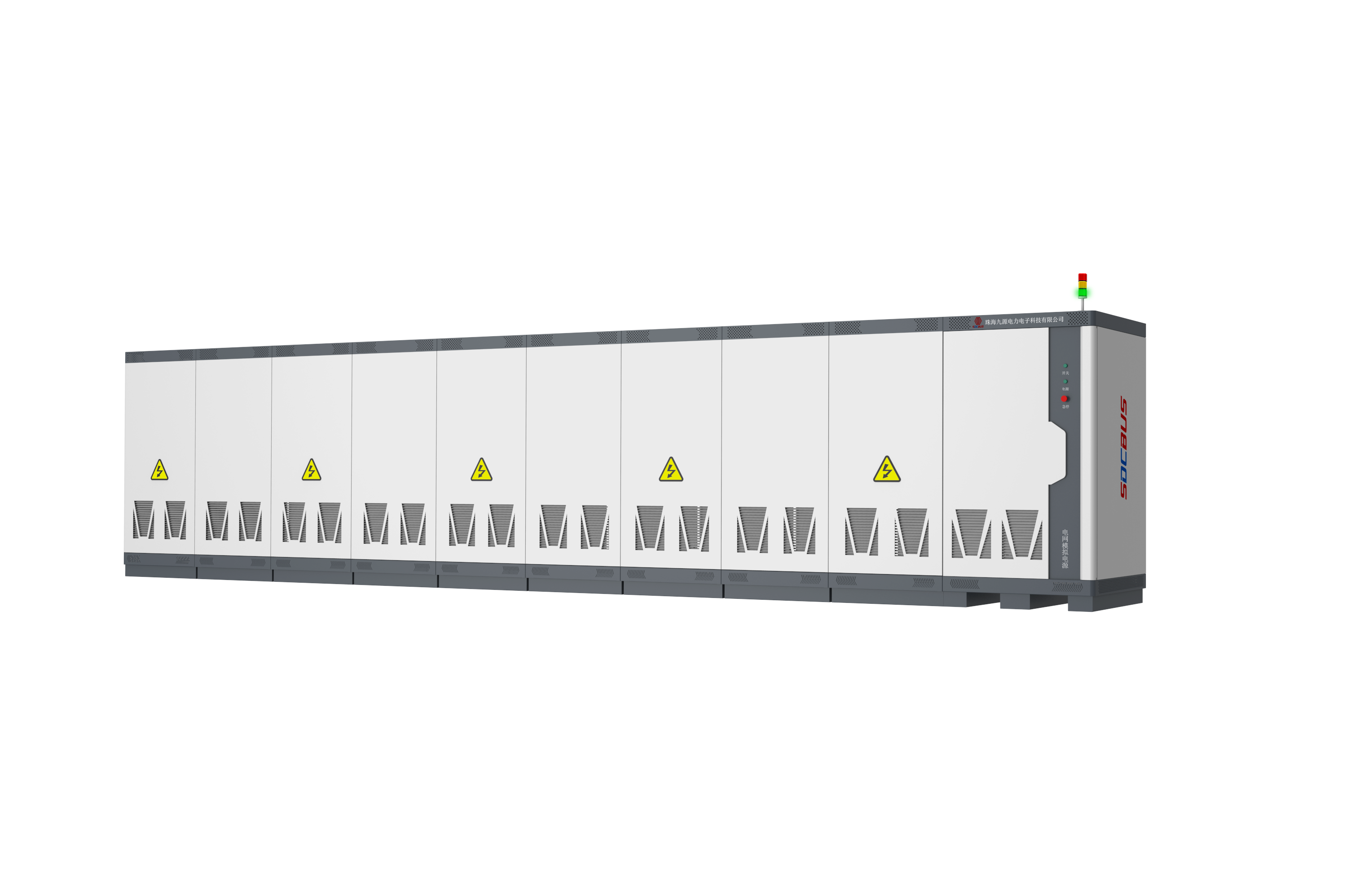
دور معدات اختبار البحث والتطوير في تطوير أنظمة تخزين الطاقة
معدات اختبار البحث والتطوير لبطاريات تخزين الطاقة هي منصة متخصصة للتحقق من الأداء، صُمِّمت لمساعدة المهندسين على تقييم الخصائص التشغيلية لأنظمة تخزين الطاقة في ظروف خاضعة للتحكم. وعلى عكس معدات إمداد الطاقة التقليدية، لم تُصمَّم هذه الأنظمة لتوفير الطاقة اللازمة للتشغيل. بل تكمن وظيفتها الأساسية في إنشاء بيئات اختبار مستقرة وقابلة للتكرار وقابلة للقياس، وذلك لتحليل الأداء والتحقق الهندسي.
مع التطور السريع لتكنولوجيات تخزين الطاقة، أصبح الاختبار الموثوق به أكثر أهميةً من أي وقت مضى. ويحتاج المهندسون إلى بيانات دقيقة لفهم أداء النظام وتحسين التصاميم والتحقق مما إذا كانت منتجات تخزين الطاقة تفي بالمتطلبات المتوقعة. وتوفّر معدات الاختبار الاحترافية الخاصة بالبحث والتطوير الأدوات اللازمة لمحاكاة ظروف التشغيل المختلفة وتحليل استجابات النظام أثناء عملية التطوير.
تحسين دقة الاختبار وموثوقية البيانات
تُعَدّ دقة القياس إحدى أهم العوامل في تقييم أداء أنظمة تخزين الطاقة. وعند تحليل المهندسين لخصائص الشحن والتفريغ، قد تؤثّر الفروق الصغيرة جدًّا في القياسات على النتائج النهائية للتقييم.
توفر معدات اختبار البحث والتطوير لبطاريات تخزين الطاقة عالية الجودة ظروفاً مستقرة للقياس لتحسين اتساق البيانات. ويمكن أن تصل دقة قياس الجهد والتيار إلى ±٠٫٠٥٪، ما يساعد المهندسين على الحصول على بيانات أداء موثوقة أثناء عمليات الاختبار. وتدعم هذه الدقة تحليلًا أكثر دقة لكفاءة تحويل الطاقة والاستقرار التشغيلي وسرعة استجابة النظام.
وبناءً على الخبرة الهندسية العملية، فإن توفر ظروف قياس قابلة للتكرار أمرٌ جوهريٌّ للمقارنة بين نتائج الاختبارات المختلفة وتحديد أية تغيرات محتملة في الأداء. وتتيح البيانات الموثوقة لفرق التطوير اتخاذ القرارات التقنية استناداً إلى نتائج الاختبار الفعلية بدل الافتراضات.
دعم التحقق من أداء وحدات البطاريات ومستويات الأنظمة
يتطلب تقييم أداء تخزين الطاقة إجراء اختبارات تتجاوز المكونات الفردية. وتُستخدم معدات اختبار البحث والتطوير عادةً للتحقق من الأداء على مستوى الوحدات وعلى مستوى الأنظمة لفهم كيفية تعاون الأجزاء المختلفة مع بعضها البعض في ظل ظروف متنوعة.
أثناء اختبار الوحدة والمنظومة، يمكن للمهندسين تقييم أداء الشحن والتفريغ، وخصائص الاستجابة، واستقرار التشغيل، وسلوك الأداء على المدى الطويل. وتساعد هذه الاختبارات في تحديد فرص التحسين وتعزيز موثوقية المنظومة ككل.
توفر منصة الاختبار الاحترافية إجراءات اختبار قابلة للبرمجة، مما يسمح للمهندسين بإعادة إنتاج ظروف محددة ومقارنة النتائج عبر دورات اختبار متعددة. وهذه القدرة ذات قيمة كبيرة لتحسين كفاءة تطوير المنتجات وتقليل عدم اليقين أثناء عملية التحقق.
إنشاء ظروف اختبار خاضعة للتحكم لتحليل الأداء
قد تتضمّن البيئات التشغيلية الفعلية ظروفاً كهربائية مختلفة وتغيرات ديناميكية. ولتقييم أداء تخزين الطاقة بدقة، يحتاج المهندسون إلى بيئة خاضعة للتحكم يمكن فيها إعادة إنتاج سيناريوهات محددة.
معدات اختبار البحث والتطوير لبطاريات تخزين الطاقة تُمكّن من المحاكاة الخاضعة للرقابة لظروف التشغيل المختلفة، ما يسمح للمهندسين بتحليل استجابات النظام بشكل أكثر فعالية. وبإنشاء سيناريوهات اختبار قابلة للتكرار، يمكن للفرق دراسة التباينات في الأداء وتقييم سلوك النظام وتحسين فهم خصائص تخزين الطاقة.
وبالمقارنة مع الاختبار الميداني غير القابل للتنبؤ، يوفّر التحقق المعملي تحكّماً أفضل في ظروف الاختبار ويساعد على إنتاج نتائج تقييمٍ أكثر اتساقاً.
تعزيز كفاءة البحث والتطوير من خلال وظائف الاختبار المرنة
يتطلّب تطوير أنظمة تخزين الطاقة الحديثة سير عمل اختباري فعّال. وتتيح وظائف الاختبار المرنة للمهندسين تهيئة إجراءات اختبار مختلفة وفقاً لمتطلبات المشروع وإكمال مهام التحقق المتعددة بكفاءة أعلى.
تقلل عمليات الاختبار القابلة للبرمجة من التعديلات اليدوية وتحسّن اتساق الاختبارات. ويمكن للمهندسين تحديد تسلسلات اختبار مختلفة، ومراقبة التغيرات في الأداء، وجمع البيانات المهمة طوال عملية التقييم.
في بيئات البحث والتطوير العملية، تساعد سير عمل الاختبار الفعّالة في تقصير دورات التحقق وتدعم تحسين المنتجات بشكل أسرع. ويصبح منصة الاختبار المصممة جيدًا أداةً مهمةً لفرق الهندسة أثناء تطوير المنتج.
دعم إدارة البيانات الموثوقة والتكامل النظامي
مع تزايد تعقيد متطلبات الاختبار، تزداد أهمية إدارة البيانات بكفاءة والتكامل النظامي. ويلزم أن تنسق منصات اختبار البحث والتطوير الحديثة مع أجهزة القياس وأنظمة البيانات لضمان سلاسة عمليات الاختبار.
يمكن لمعدات اختبار البحث والتطوير لبطاريات تخزين الطاقة دعم هياكل اتصال مرنة للتحكم المنسق وتبادل البيانات بين وحدات الاختبار المختلفة. وحسب متطلبات التطبيق، يمكن تكوين أساليب اتصال وهياكل تكامل متنوعة لتحسين تنظيم الاختبارات وكفاءة إدارة البيانات.
تتيح هذه القدرة المرنة على التكامل لأنظمة الاختبار التكيّف مع بيئات المختبرات المختلفة مع الحفاظ على التشغيل الموثوق به وجمع البيانات بدقة.
مصمم لتطبيقات اختبار الأداء والتحقق منه
صُمِّمت معدات اختبار البحث والتطوير لبطاريات تخزين الطاقة أساسًا لتقييم الأداء، والتحقق الهندسي، والتطبيقات البحثية. وهدفها مساعدة المهندسين في تحليل سلوك النظام، والتحقق من خصائص الأداء، وتحسين عمليات تطوير المنتجات.
هذه الأنظمة مناسبة لاختبار أداء تخزين الطاقة، والتحقق من صحة الوحدات والأنظمة، وتحليل الهندسة، والتقييم المخبري المتحكم فيه. وهي ليست مخصصة لتطبيقات أتمتة المصانع، أو تشغيل أنظمة التغذية غير المنقطعة (UPS)، أو تشغيل المحولات، أو اختبار خلايا البطاريات، أو وظائف إمداد الطاقة على مستوى الإنتاج.
يؤدي تحديد نطاق الاستخدام بوضوح إلى ضمان استخدام منصة الاختبار بالشكل الصحيح، وتقديم دعمٍ ذي معنى لتطوير تقنيات تخزين الطاقة.
دعم ابتكارات مستقبل تخزين الطاقة
مع استمرار تطور تقنيات تخزين الطاقة، تزداد متطلبات الاختبار تعقيدًا. ويحتاج المهندسون إلى أدوات موثوقة تقدّم قياسات دقيقة، وظروف اختبار مرنة، وعمليات تحقق قابلة للتكرار.
تساعد معدات اختبار البحث والتطوير لبطاريات تخزين الطاقة الشركاتَ على تحسين كفاءة التطوير من خلال توفير منصة احترافية لتحليل الأداء والتحقق من النظام. وبفضل الاختبارات الدقيقة وجمع البيانات الموثوقة، يستطيع المهندسون تحسين التصاميم بشكل أفضل ودعم التحسين المستمر لتكنولوجيا تخزين الطاقة.
الخاتمة
تلعب معدات اختبار البحث والتطوير لبطاريات تخزين الطاقة دوراً محورياً في تطوير أنظمة تخزين الطاقة الحديثة، إذ توفر بيئات اختبار دقيقة وقابلة للتكرار وخاضعة للتحكم بدقة. ومن خلال القياس عالي الدقة والوظائف المرنة للاختبار وقدرات التكامل الموثوقة للنظام، تساعد هذه المنصات المهندسين على تقييم الأداء وتحسين موثوقية المنتج.
لِلشَّرِكَاتِ الَّتِي تُرَكِّزُ عَلَى ابْتِكَارِ حَلُولِ التَّخْزِينِ الطَّاقِيِّ، تُقَدِّمُ حَلُولُ الاِخْتِبَارِ الْمُتَخَصِّصَةِ فِي الْبَحْثِ وَالْوِلَادَةِ دَعْمًا قَيِّمًا طَوَالَ مَرْحِلَةِ التَّطْوِيرِ. وَمَعَ اسْتِمْرَارِ نُمُوِّ هَذِهِ الصِّنَاعَةِ، سَيَظَلُّتُ الْمَنَصَّاتُ الْمُتَقَدِّمَةُ لِلاِخْتِبَارِ ضَرُورِيَّةً لِتَحْقِيقِ تَأْكِيدٍ أَعْلَى جَوْدَةً لِالأَداءِ وَحَلُولٍ أَكْثَرَ اتِّسَامًا بِالْوَثُوقِيَّةِ فِي مَجَالِ التَّخْزِينِ الطَّاقِيِّ.
جدول المحتويات
- دور معدات اختبار البحث والتطوير في تطوير أنظمة تخزين الطاقة
- تحسين دقة الاختبار وموثوقية البيانات
- دعم التحقق من أداء وحدات البطاريات ومستويات الأنظمة
- إنشاء ظروف اختبار خاضعة للتحكم لتحليل الأداء
- تعزيز كفاءة البحث والتطوير من خلال وظائف الاختبار المرنة
- دعم إدارة البيانات الموثوقة والتكامل النظامي
- مصمم لتطبيقات اختبار الأداء والتحقق منه
- دعم ابتكارات مستقبل تخزين الطاقة
- الخاتمة